
The Julian Alps lie mostly in Slovenia, with a small portion extending into Italy. While they are not the highest of the Alps, their valleys remain relatively low, making the differences in altitude very noticable. In Slovenia, the Julian Alps are protected within Triglav National Park. In the blog’s non-objective opinion, this region is the most beautiful part of the Alps—only the Dolomites can match.
Our relationship to the Julian alps
The Julian Alps are something I have grown up with since childhood. My father was a mountaineer, and he started taking me into the mountains at an early age. I was seven years old when I climbed Triglav for the first time. He passed on his love of the mountains to me. Over the years, I have climbed a large number of peaks, some of them several times. As a result, I have a solid knowledge of hiking and climbing in the Julian Alps. As a personal challenge, I also keep a list of peaks I still want to climb—it gives me motivation to stay in shape. Many of the peaks are challenging both physically and mentally, and climbing them does not get any easier with age.
When we are in Slovenia, we see the Julian Alps from our balcony every day, from morning to evening—except when the weather is bad, of course.
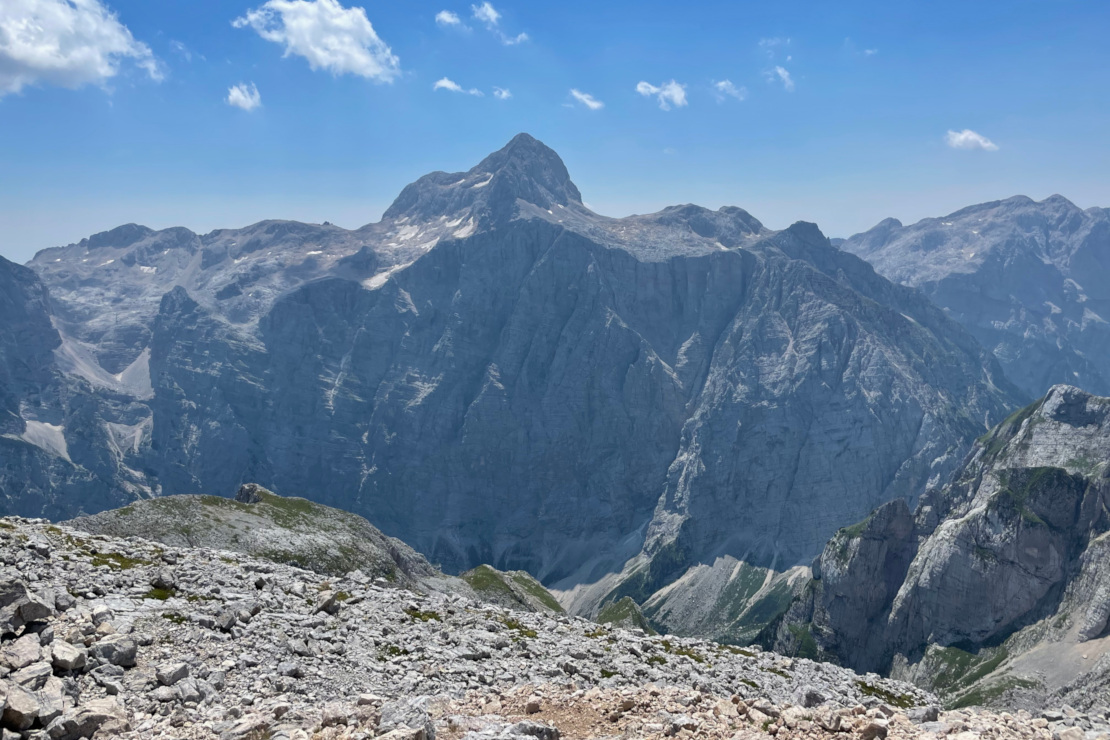
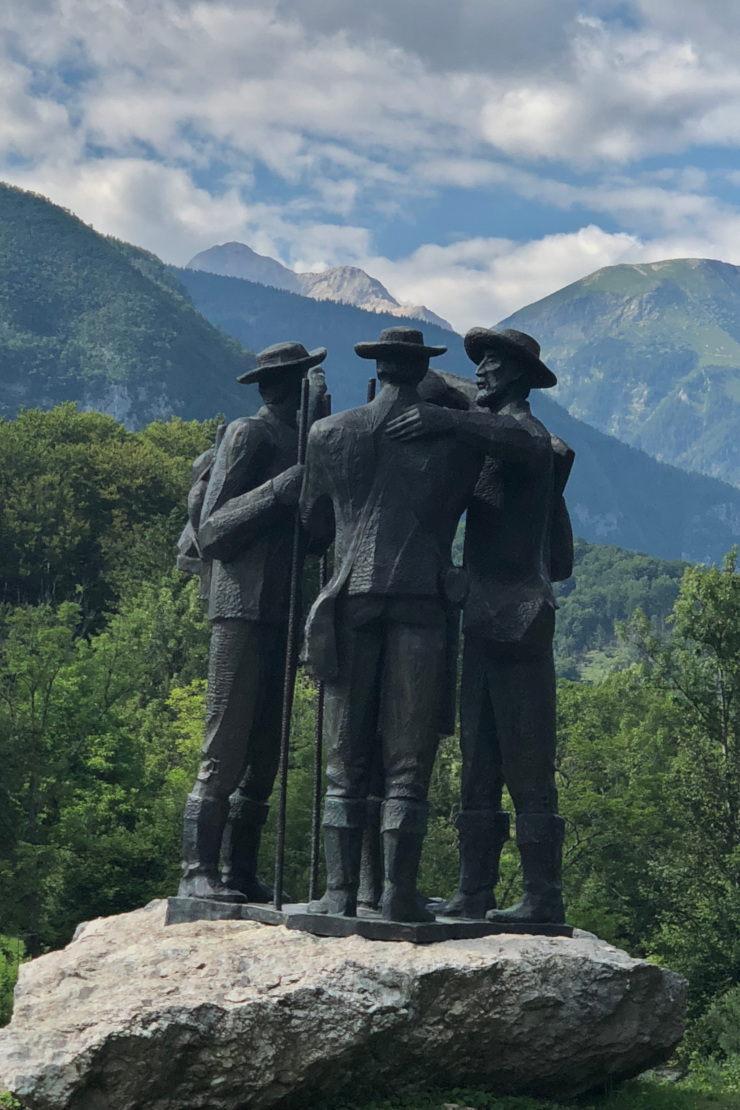
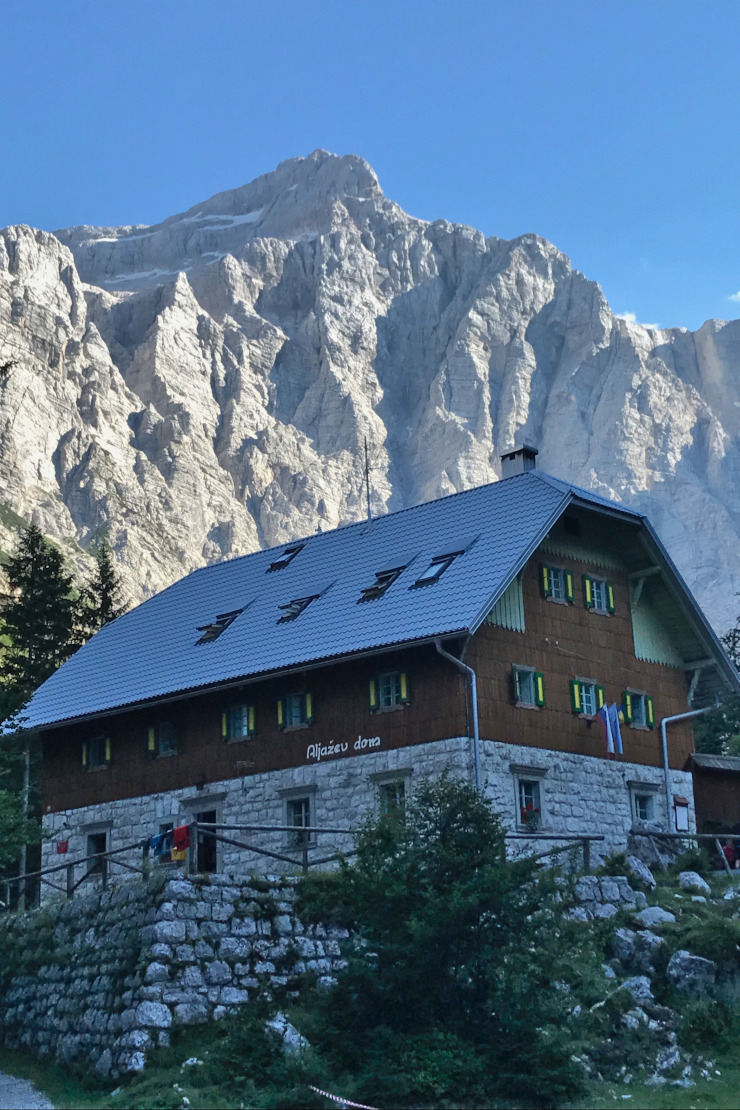
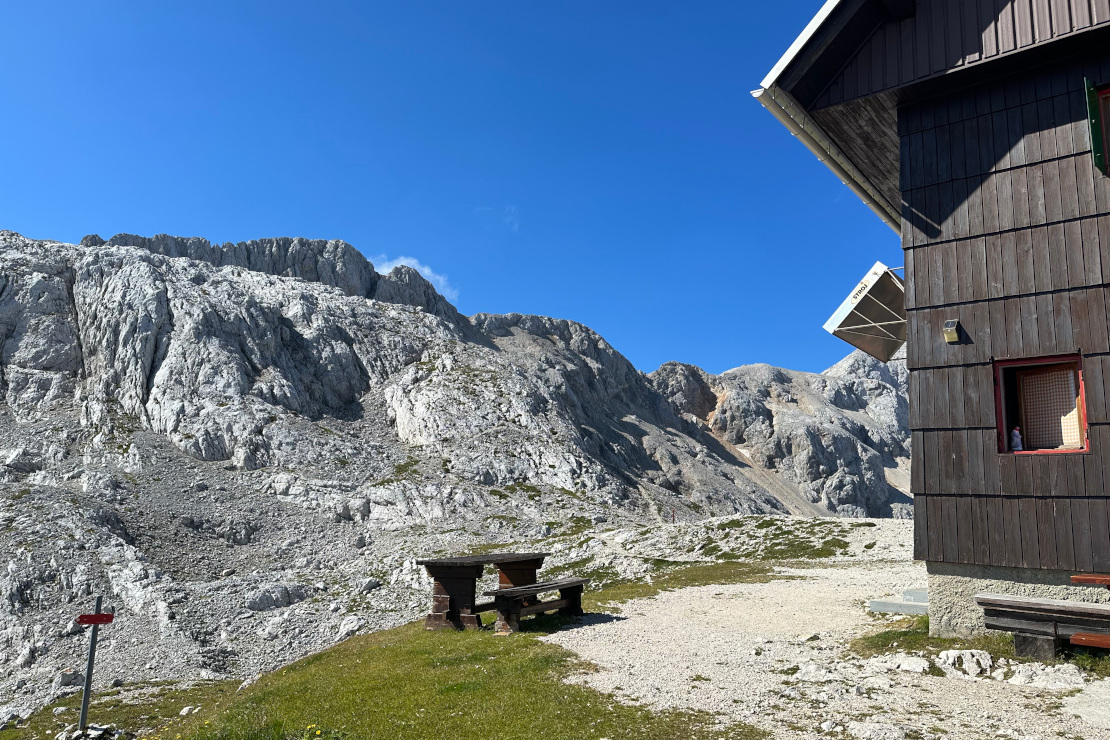
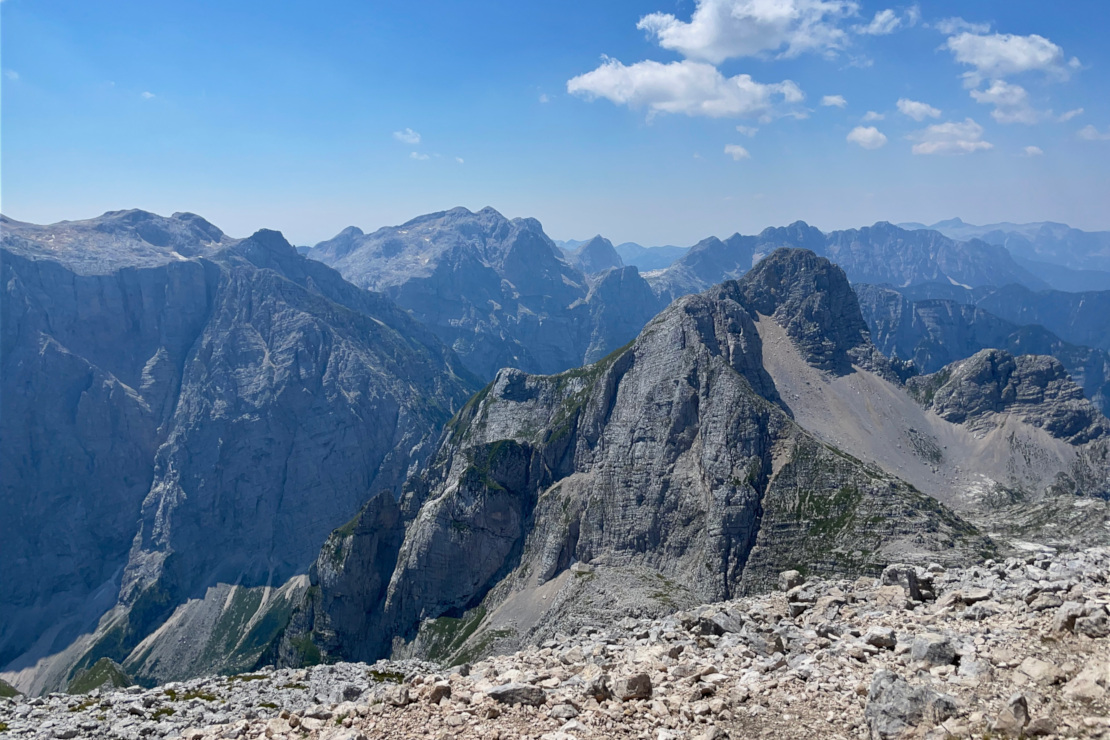
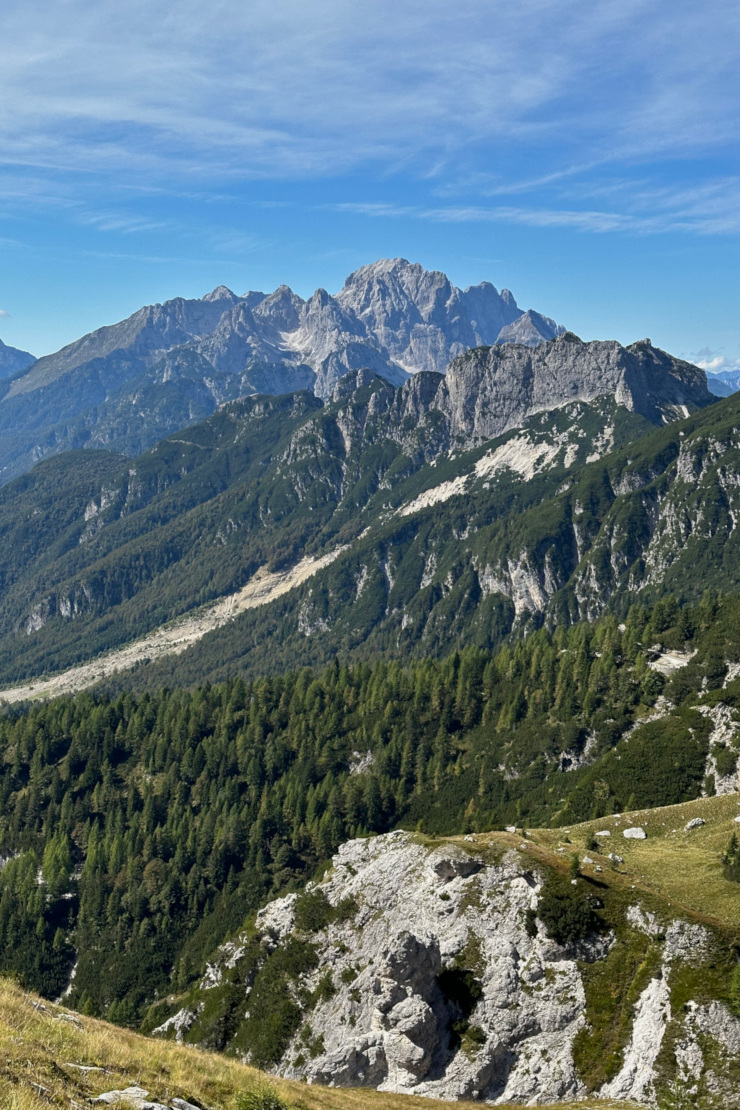
Landscapes of the Julian Alps
The Julian Alps are part of the Southern Limestone Alps that extend into Slovenia from Italy. The Dolomites, for example, are also part of the Limestone Alps. The Julian Alps are named after Julius Caesar, whose troops built a road over the mountains.
This part of the Alps was formed around 200 million years ago as a result of the African and Eurasian tectonic plates colliding and pushing the land several kilometers above the ocean that once existed there. The mountains are mostly composed of limestone, which is the remains of the former ocean floor. Observant hikers can spot many fossils of animals that lived in these oceans millions of years ago. The appearance of the valleys has been shaped by the last ice age, and almost all of them are glacial valleys.
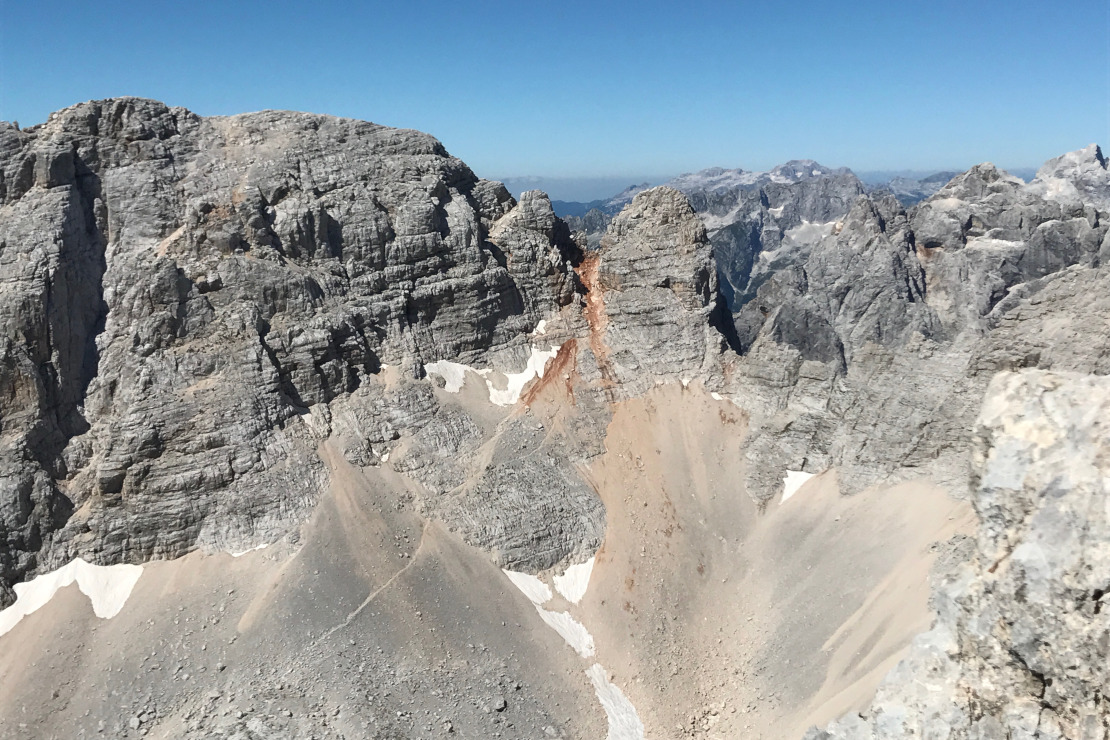
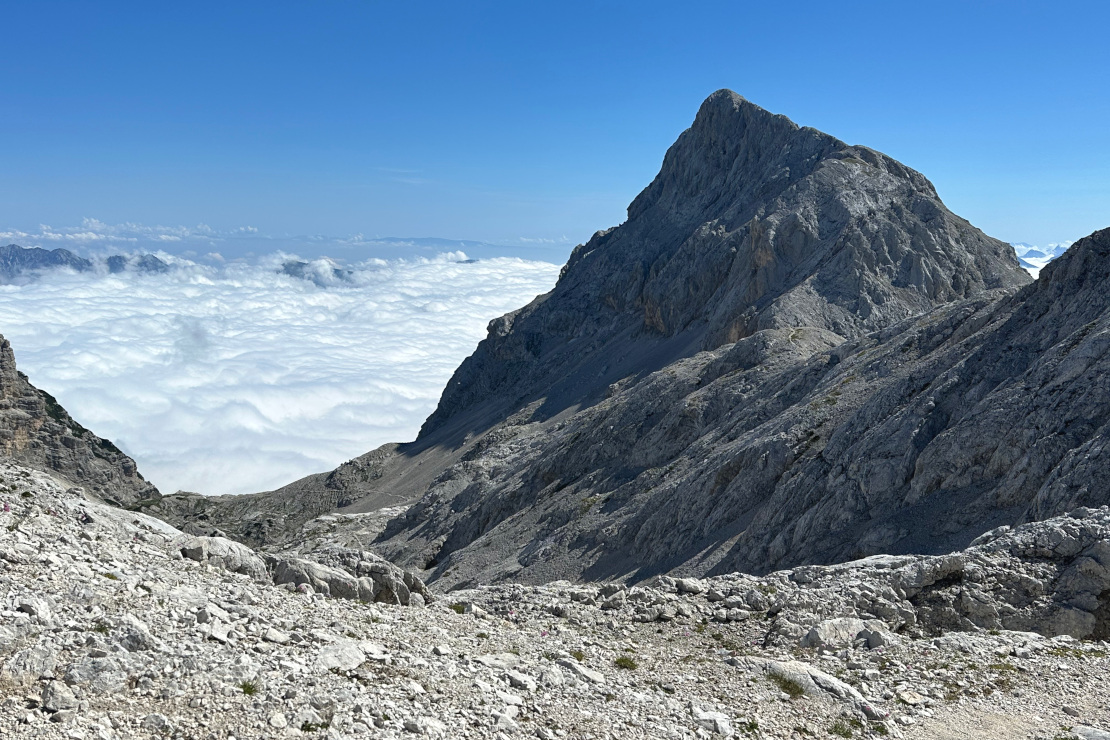
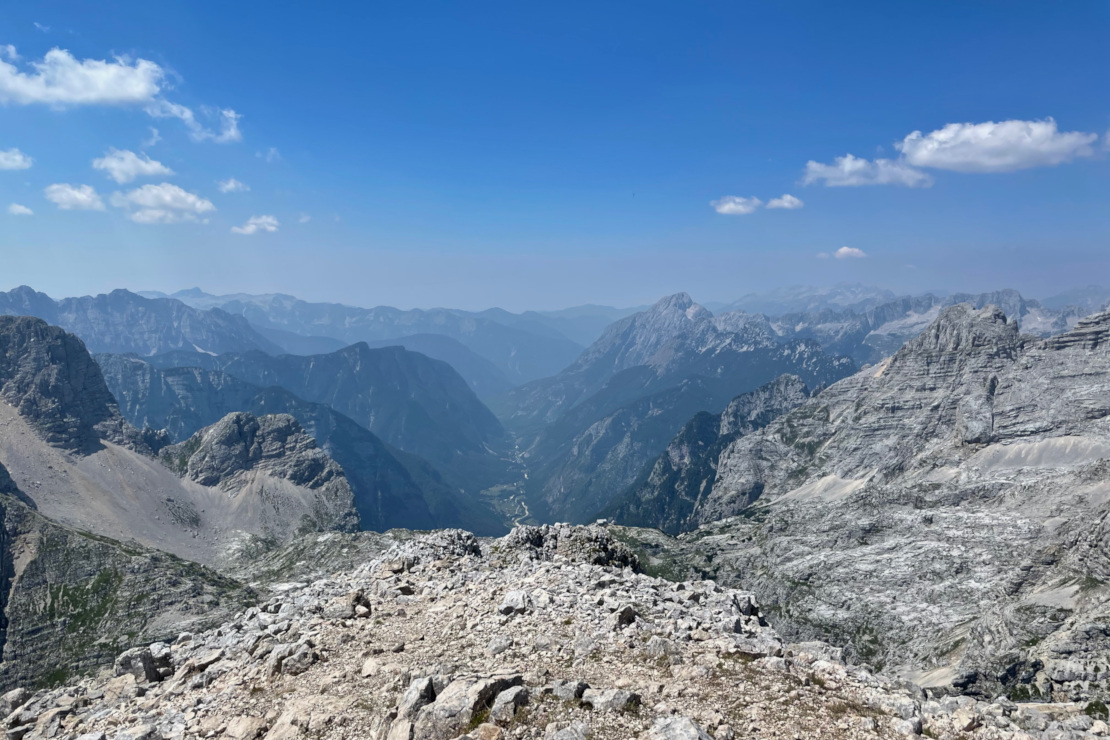
The landscape is incredibly beautiful. Even though we have been here countless times, it still takes our breath away in many places. Because the Julian Alps are mostly composed of limestone, the rock is porous, there are many remains of ancient rock avalanches visible in many places.
Today, nature in Triglav National Park is managed very well, but that has not always been the case. I remember that the snow used to be red when I was little, stained by emissions from the steel mill in Jesenice. I also remember a large glacier beneath Triglav. Today, the steel mill is gone, but so is the glacier—lost as the climate has grown warmer. There have been both positive and negative changes.
Most important Valleys
The Julian Alps have many valleys. All are beautiful and special in their own way. We have chosen to describe our favorite valleys in more detail.
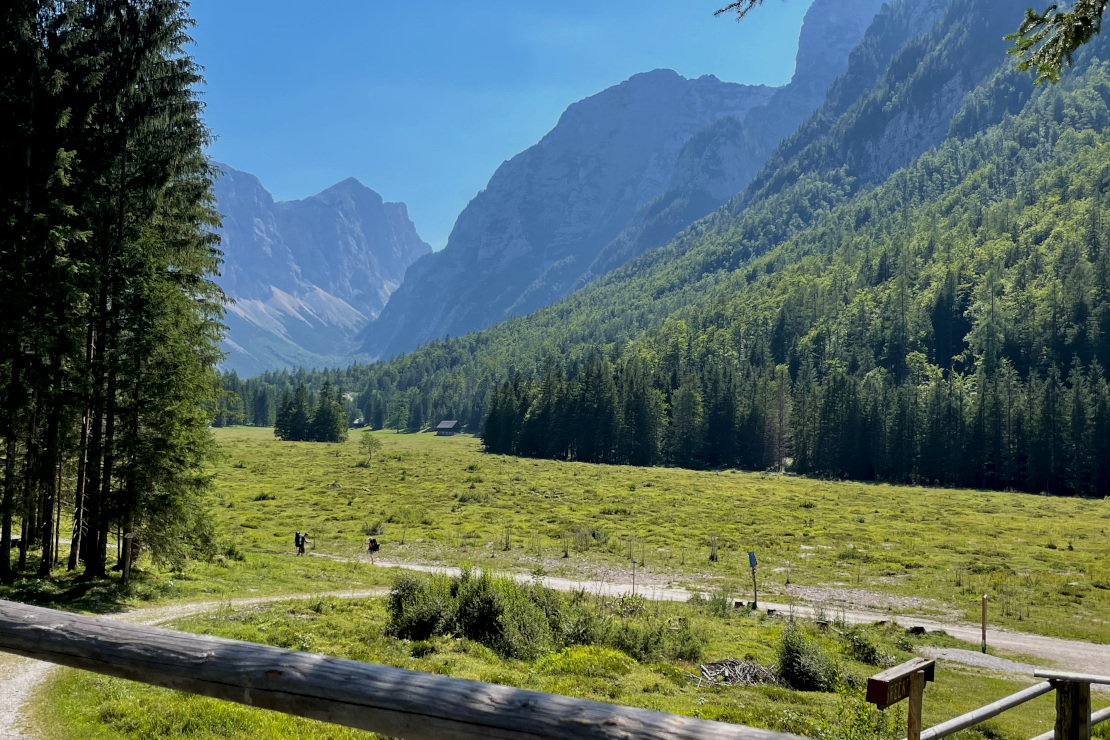
- Vrata (Door) Valley - In our opinion, Vrata Valley is the most important valley on the northern side of the Julian Alps. Surrounded by an amphitheater of peaks, it serves as a key starting point for many hikes. At the very end of the valley rises the impressive North Face of Triglav.
- Gozd (Forest) Martuljek Valley - This is a protected section of Triglav National Park, where no hiking trails are allowed. Above the valley, several high peaks rise, including the pyramid-shaped Špik. Driving from Ljubljana toward Kranjska Gora offers a fantastic view of the valley and the surrounding peaks.
- Krnica Valley - Another important and popular valley for hikers, it is surrounded by peaks that can be accessed via hiking trails, including Špik, Škrlatica, Dolkova Špica, Razor, and Prisojnik. The road to the Vršič Pass also runs past the valley, offering amazing views along the way.
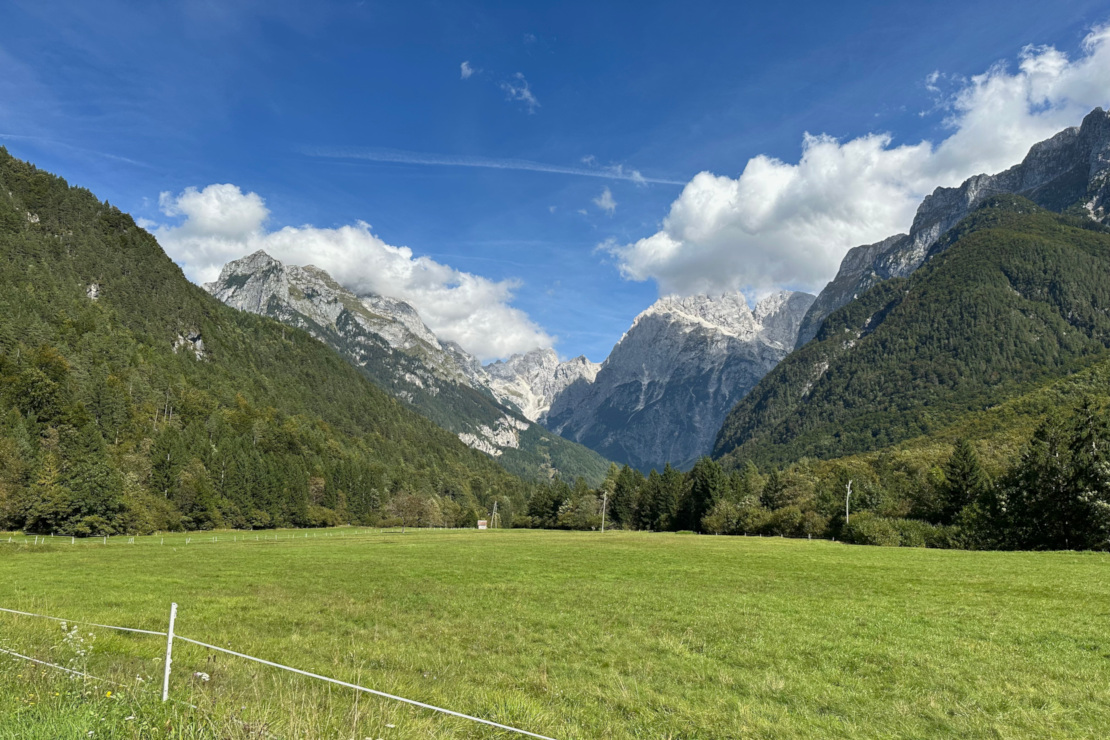
- Trenta Valley - Located on the southern side of the Julian Alps, Trenta Valley is reached by descending over the Vršič Pass from Kranjska Gora. The valley feels secluded, with a well-preserved landscape and traditional architecture. The upper part of the valley is also home to the source of the beautiful Soča River.
- Soča Valley - Known as the adventure mecca of the Julian Alps, the Soča Valley offers rafting, kayaking, canoeing, zip-lining, paragliding, cycling, hiking, and much more. Beyond the activities, the valley is breathtakingly beautiful, with the emerald Soča River flowing toward the Adriatic Sea—often considered the most beautiful river in the Alps. For history enthusiasts, the valley was also the site of fierce battles during World War I, as the Isonzo Front ran right through it.
- Loška Koritnica (Log sink) - A small hidden gem tucked between Mangart and Jalovec, rarely visited by tourists. The name comes from the nearby village of Log, located just below Mangart Peak.
Other valleys include the Krma Valley and the Kot Valley on the northern side, the Tamar Valley with its Planica ski jumping facility, the Upper Sava Valley, which leads to the town of Kranjska Gora, and the Radovna Valley.
Important peaks in the Julian Alps
The Julian Alps have countless peaks worth climbing. Here are a few, selected for the ways in which they stand out.
- Triglav (2,864 m) - The highest mountain in the Julian Alps and the national symbol of Slovenia. Its name means ’three-headed,’ because from certain angles the mountain appears to have three peaks. Triglav is even depicted on the Slovenian flag. It is said that you are not truly Slovenian until you have climbed it.
- Škrlatica (2,740 m) - The second-highest mountain in the Slovenian part of the Julian Alps. The climb is physically demanding, as there are no huts along the way. The hiking route is also exposed and not for the faint-hearted.
- Mangart (2,679 m) - Located right on the border between Slovenia and Italy. Dramatic landscapes surround you, offering miles of beautiful views. The climb is relatively easy, as you can drive up to the Mangart Saddle at an altitude of 2,072 m.
- Jalovec (2,645 m) - Often called the king of the Julian Alps because of its pyramid-like shape, which is clearly visible from the Tamar Valley and from Sleme Peak.
- Razor (2,601 m) - The silhouette of Razor towers over the Krnica Valley and Kranjska Gora, alongside Mount Prisojnik.
- Prisojnik (2,547 m) - A large and massive mountain that dominates the Krnica Valley, known for its natural window through which one of the most technically challenging trails to the summit passes.
- Krn (2,244 m) - An accessible peak in the southern part of the Julian Alps, offering fantastic views over the Soča Valley. Many remnants from the First World War can be seen, as the Isonzo Front ran across the mountain.
Passes of the Julian alps
- Vršič Pass (1,611 m) - Connects Kranjska Gora with the Trenta and Soča Valleys. It was built by Russian prisoners of war during World War I to improve logistics to the Isonzo Front. Today, the pass is popular with motorcyclists, cyclists, and car drivers alike.
- Predel Pass (1,156 m) - connects Tarvisio in Italy with the Soča Valley in Slovenia and is still widely used today. The area is home to many forts, as the pass has been strategically important throughout history.
- Mangart Saddle (2.072 m) - Not a pass but we have added the road anyway as it is Slovenia’s highest road leading to the Mangart saddle. Built by Italy under Mussolini as this part of Slovenia belonged to Italy when the road was built in the 1930s.
Hiking in the Julian Alps
The Julian Alps are full of hiking trails, offering something for everyone. Routes range from easy walks to physically and technically demanding hikes with via ferrata sections. ‘Via ferrata’ is an Italian term for a technically secured hiking route, consisting of steel cables, ladders, and other fixed protections. Most of the peaks mentioned above feature hiking trails with via ferrata sections, and there are often several routes to choose from at different difficulty levels. For this reason, it is important to read up thoroughly before setting off.
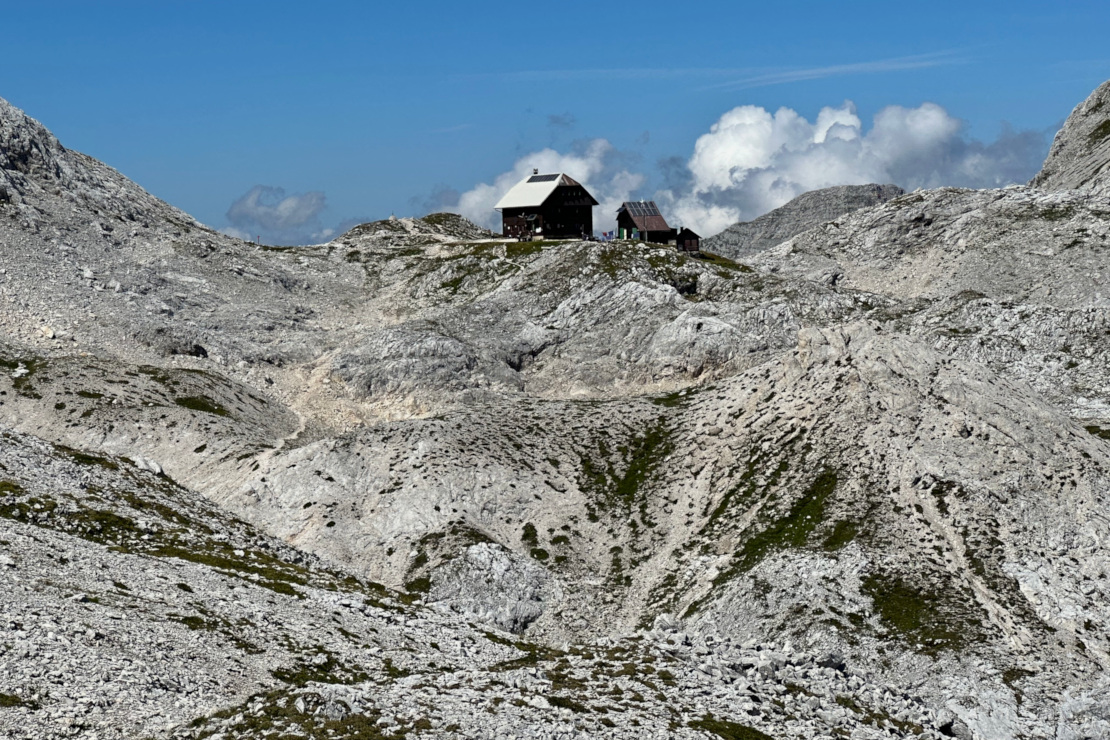
There is a well-developed system of alpine huts where you can buy drinks and food. The huts serve traditional Slovenian alpine cuisine, which is nutritious. Many of the huts also offer overnight accommodation. It is advisable to book in advance, especially during the high season when the huts fill up quickly.
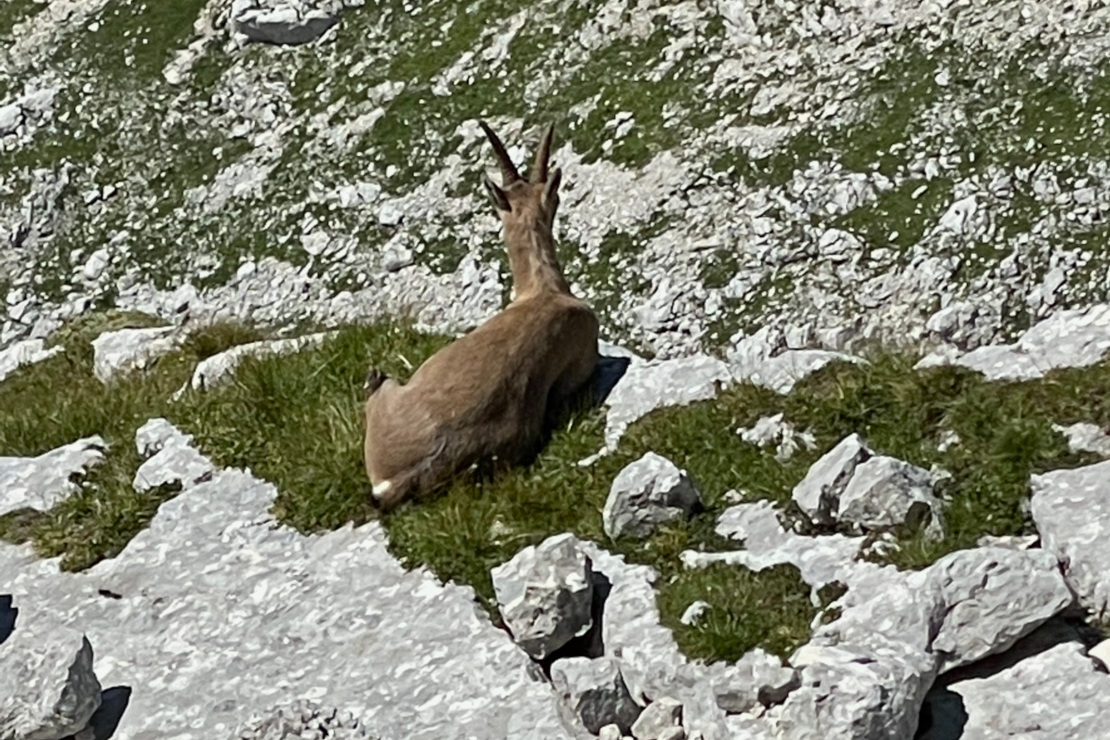
During longer hikes, it is common to encounter wildlife, so don’t be surprised if you suddenly come face to face with a chamois. The mountains are home to many animals, but the ones you see most often are the Alpine ibex—a goat-like animal with large horns—and the chamois, which is also quite common. Both are fairly tame and may approach the hiking trails. Another notable resident is the Alpine chough, a social black bird. Be careful not to let them steal your food at the summit!
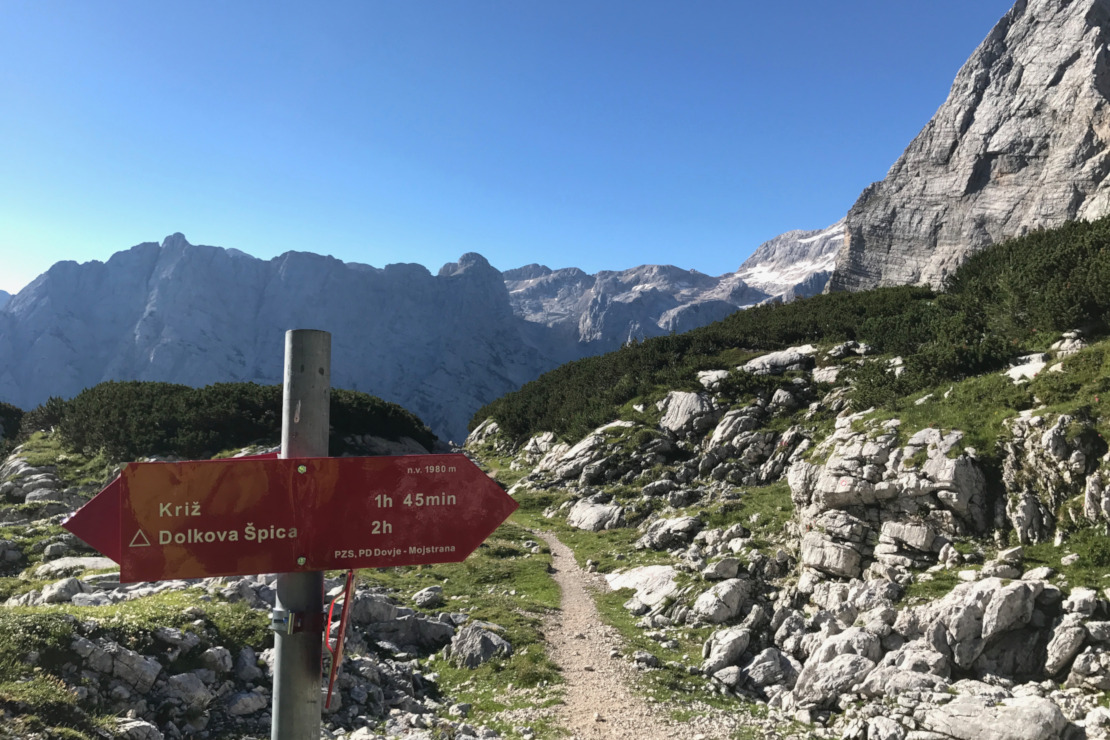
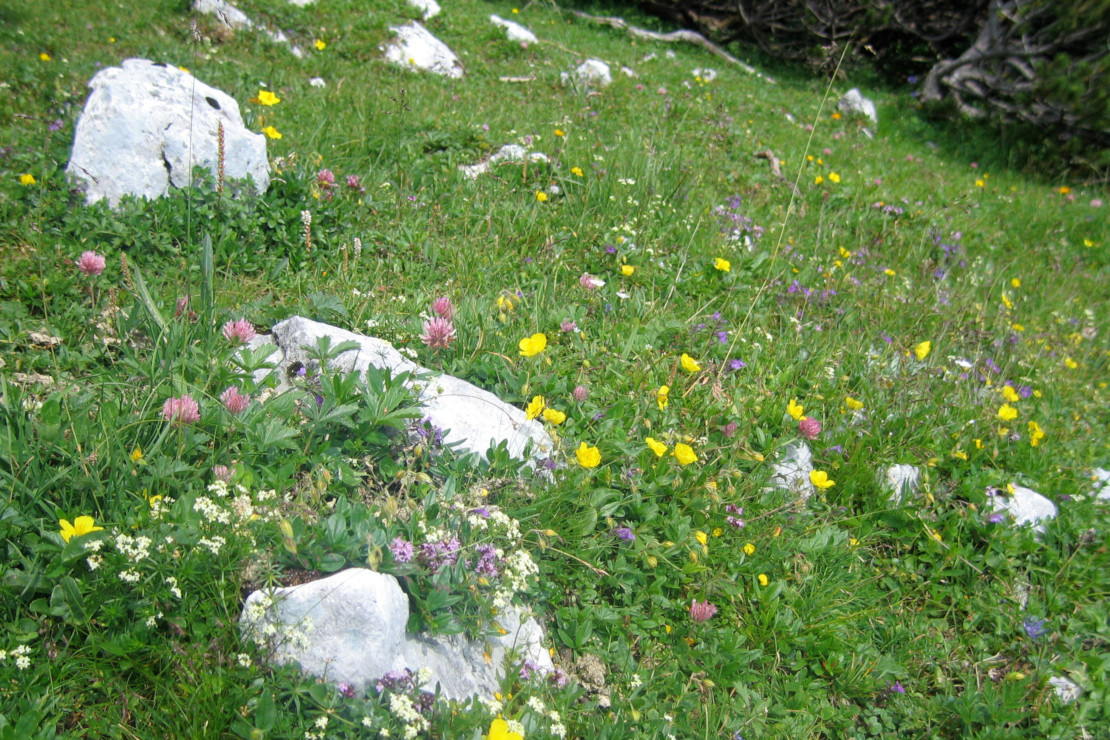
There are many important considerations when hiking in the mountains in general, and in the Julian Alps in particular.
The weather is one of the most important things to keep an eye on. Always plan your hike with the weather in mind, as conditions in the Alps can change faster than you think—from bright sunshine to clouds, and sometimes even thunderstorms. At higher altitudes, you may find yourself in the clouds rather than below them, which can make navigation more difficult. Be prepared for temperature differences by bringing appropriate clothing especially on longer hikes or if you plan to spend the night in a hut. Sun protection is also good to have.
Know your own limitations as well as possible. If it’s your first time hiking in the Alps, go with someone experienced or hire a guide. Remember that reaching the summit means you’re only halfway there—you still have to get down.
Bring plenty of water and enough food for your hike. Plan according to how many huts you pass along the way and which ones you intend to stop at. There is little natural water in the Julian Alps, as there are no glaciers that melt during the summer. The only places where you can buy or refill water are the alpine huts.
Suitable equipment includes hiking boots, hiking poles, a helmet, a harness for any via ferrata sections, a backpack, and appropriate clothing for the weather.
Planning your hike is essential. It is a good idea to carry a map with you or use a digital route planner such as the Julian Alps tour planner. The route planner also helps you assess the difficulty and length of a hike. Maps of the Julian Alps are available in most well-stocked bookstores.
With the right planning, your trip to the Julian Alps can be an unforgettable nature experience. Expect to encounter wildlife along the way—it is very common to see chamois, as they are quite tame and often come close to hiking trails.
Below is a great video by Jeff Pelletier and Audrée Lafrenière, which we think does a fantastic job of showing what to expect when hiking in the Julian Alps. These two are significantly faster and fitter than most of us, but their description of the trails, huts, and natural surroundings matches what you can realistically expect in a very accurate and inspiring way.
The video above features a long hike through the Julian Alps. The first half of the route, from the Vrata Valley to the hut in the Triglav Lakes Valley, is described below as an example hike.
The hike across the Triglav lakes Valley
This is a challenging hike that takes 2–3 days to complete. The route leads from the Vrata Valley up to the summit of Triglav, then through the incredibly beautiful Triglav Lakes Valley, and finally descends to Lake Bohinj.
This hike is approximately 25 km long and involves around 18 hours of active hiking. You will climb a total of 2,600 m in altitude and descend about 2,800 m. The route is challenging and requires good fitness, as well as experience with via ferrata sections.
Itinerary
If you are reading this in the app, you can select Hiking directions to see a map showing the hiking route.
- Day 1 – Vrata Valley (Aljaž Hut) to Kredarica Hut below Triglav: You will ascend approximately 1,500 m in total to reach Kredarica Hut. The hike takes about 6 hours and 20 minutes, covering 6.5 km. The trail passes just below the north face of Triglav and over Prag (the Threshold). The trail includes some via ferrata sections.
- Day 2 – Kredarica Hut to the summit of Triglav, then to Triglav Lakes Hut: The climb to the summit of Triglav includes via ferrata sections. This day involves approximately 12 km of hiking, with 738 m of ascent and 1,552 m of descent, taking about 7 hours and 15 minutes in total.
- Day 3 – Triglav Lakes Hut to Lake Bohinj: This descent covers 7 km with just over 1,000 m of elevation loss. It typically takes about 4 hours and 15 minutes to complete.
What to do
Beyond hiking, there are countless other activities to enjoy in the Julian Alps.
- Bicycling - Many of the valleys feature an extensive network of cycle paths. Bicycles can be rented in the larger towns such as Kranjska Gora, Bovec and others.
- Rafting, kayaking, canoeing - The Soča Valley and the Soča River are the center of these activities. Most organizers are based in the town of Bovec.
- Zipline - One of the largest zip-line parks in Europe is located in the Soča valley.
- Paragliding - It is possible to go paragliding in several locations in the Julian Alps. Bovec is one of the main hubs, with many organizers operating there.
Places to Stay
There are many places to stay in the Julian Alps, ranging from small cottages and alpine huts to luxury hotels—something for everyone. Below is a selection.
- Chalet Sofija - An exceptional chalet located on Srednji Vrh with a beautiful view of the Gozd Martuljek valley and the peaks above.
- Boutique Hotel Dobra Vila - A beautiful boutique hotel in the town of Bovec, Soča valley.
- Milka Boutique Hotel - Milka is both a high-end restaurant and hotel next to lake Jasna below the Vršič pass.
- Mountain View Glamping - Apartments for rent with a great view of the Vrata valley.
- Soča River Source Hut - Stay next to the Soča river source in Trenta valley.
- Pristava Lepena - Stay in the beautiful nature of the Trenta valley just next to the beautiful gorges of the Soča River.
Where to Eat
You can enjoy traditional Slovenian alpine cuisine in most of the huts in the Julian Alps. If you plan to do some sightseeing in the area, there are also several excellent restaurants worth visiting.
- Milka - A 2 star Michelin restaurant that focuses on modern & classic dishes taking their ingredients from the surrounding alpine environment. You can reserve a table on their website.
- Restaurant Triangel - Mentioned in the Michelin guide. Located in Gozd Martuljek with a fantastic view of the mountains above. You can book a table here
- Bovec Kitch’n - A small street food restaurant located in Soča valley, Bovec on the main square. They serve local dishes.
- Tičar Hut - Alpine hut located on the Vršič pass. They serve typical Slovenian alpine food.
- Erjavčeva Hut - This hut also serves traditional Slovenian alpine food. Have a look at their webiste for information about their menu.
- Kekčeva Homestead - Try typical Trenta valley authentic food. Email kekec.trenta@gmail.com or call +386(0) 41 413 087 to reserve a table.
- Pristava Lepena - Try local dishes typical of the Soča and Trenta valleys. Email info@pristavalepena.com or call +386(0) 41 671 981 to reserve a table


