
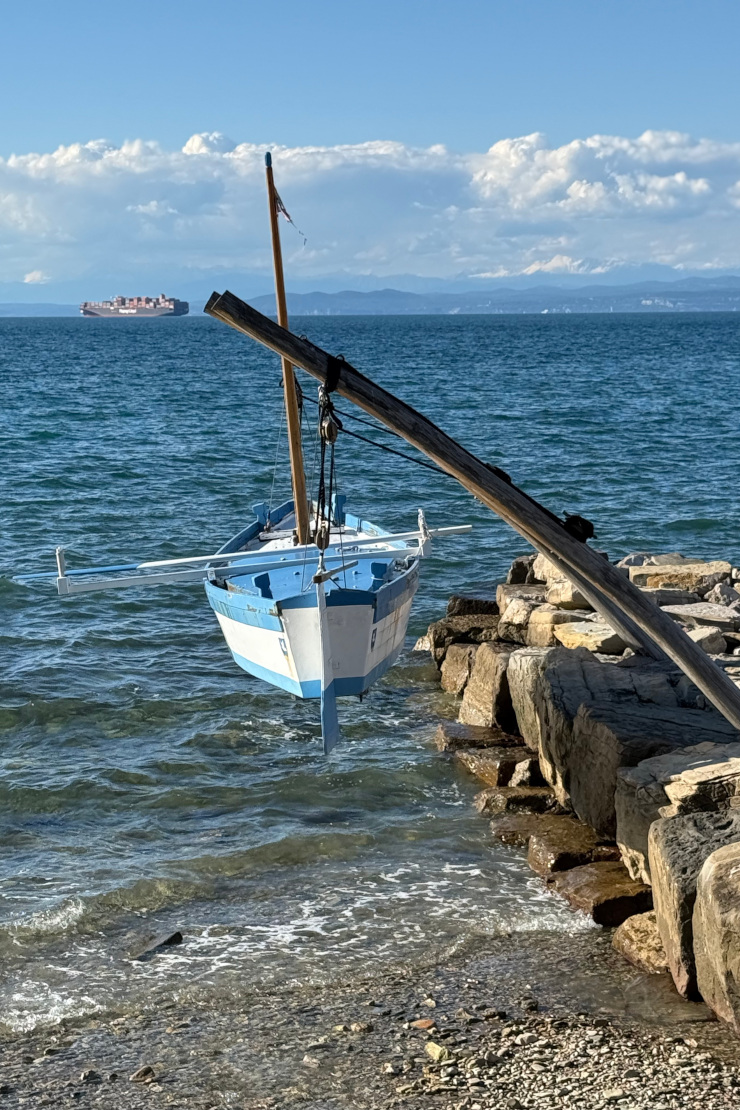
Izola shares many similarities with Piran, but it also has its own distinct character. Both towns have a strong Venetian heritage and a lively restaurant scene, where you can enjoy Istrian seafood while watching the sun set over the Adriatic Sea. Izola is less well known and less touristy than Piran, offering a quieter and more relaxed atmosphere. Its name comes from the Italian word for “island.” Like many other towns in Istria, Izola has a rich history shaped by a variety of cultures.
You can best read about and plan visits to the places we write about by downloading our app Slovestories app.
How to Get to Izola
Izola is about 110 kilometres from Ljubljana and can be reached by car in approximately 1 hour and 10 minutes. Most of the journey follows the A1 motorway.
The Lonka car park is the most centrally located car park in Izola, just a short walk from the promenade. However, it is often full, especially during the summer months. Fortunately, there are several other car parks nearby, although they are a little further from the town centre.
If you are reading this in our app, you can select Show on map in the upper-right menu to get directions from your current location to Izola. You can also see where there are other parking spaces.
Izola History
The first settlements in Izola were established in the 7th century by refugees from Aquileia, on the opposite side of the Gulf of Trieste. The town came under Venetian influence in the 9th century and became part of the Republic of Venice in 1267.
Izola was originally an island, which is how it got its name. The town was protected by defensive walls and connected to the mainland by a simple bridge. In the early 19th century, the walls were demolished, and the stone was used as fill to connect the island to the mainland.
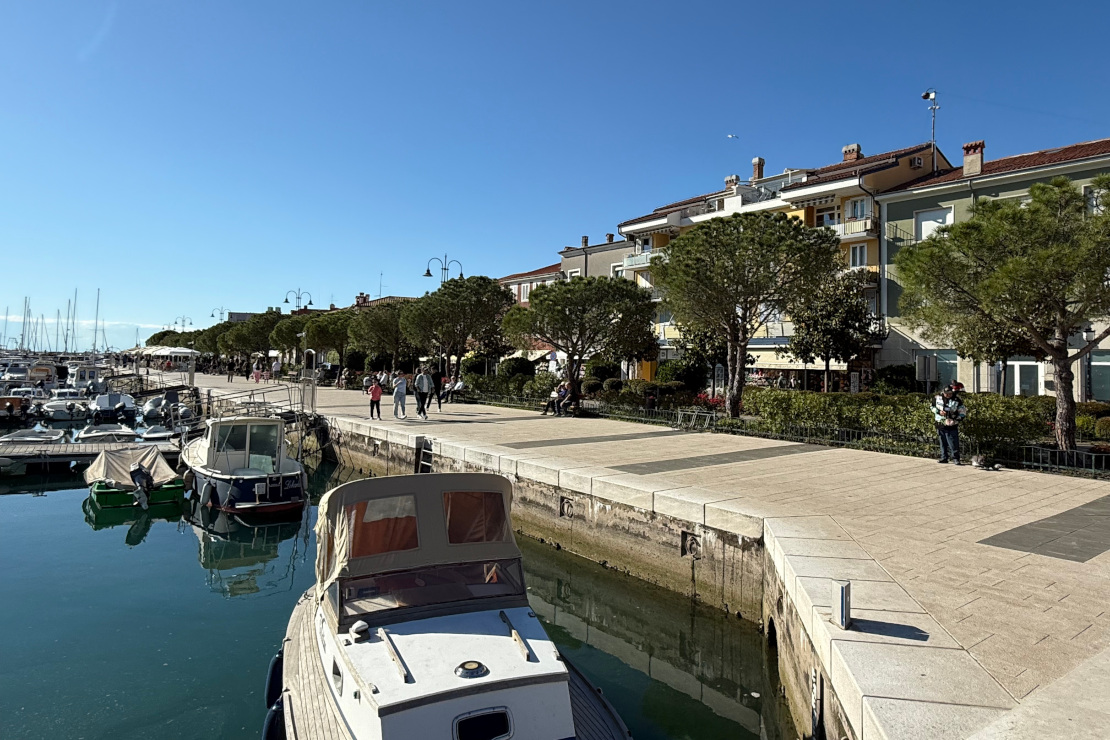
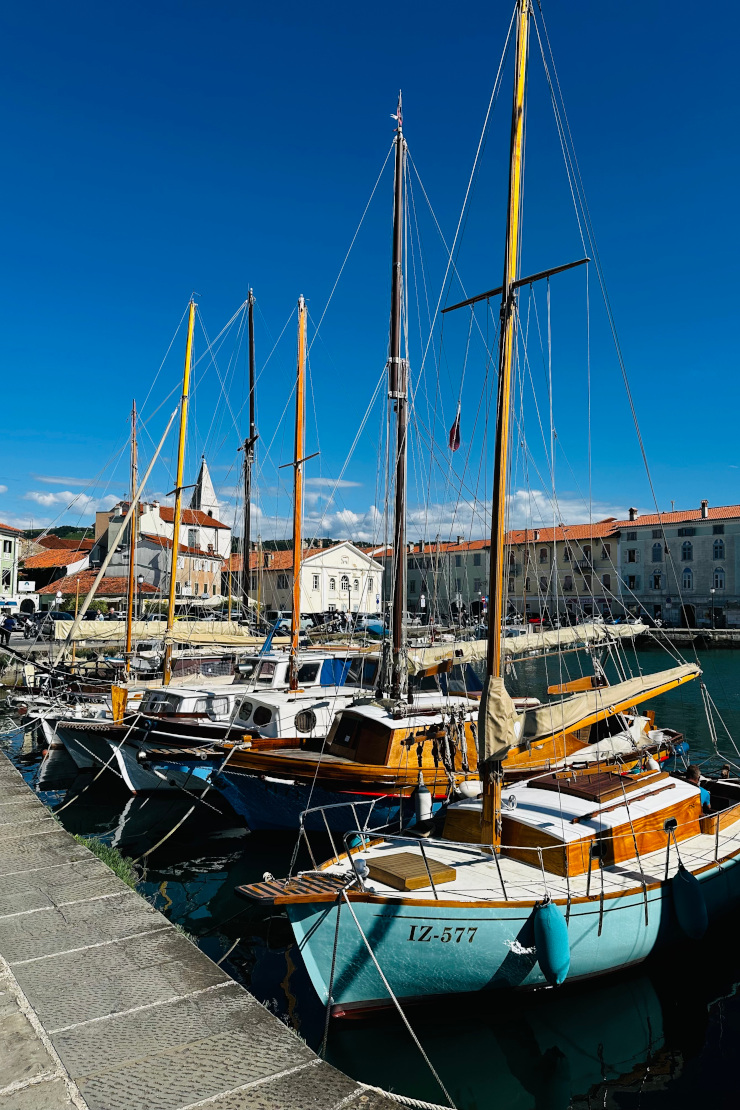
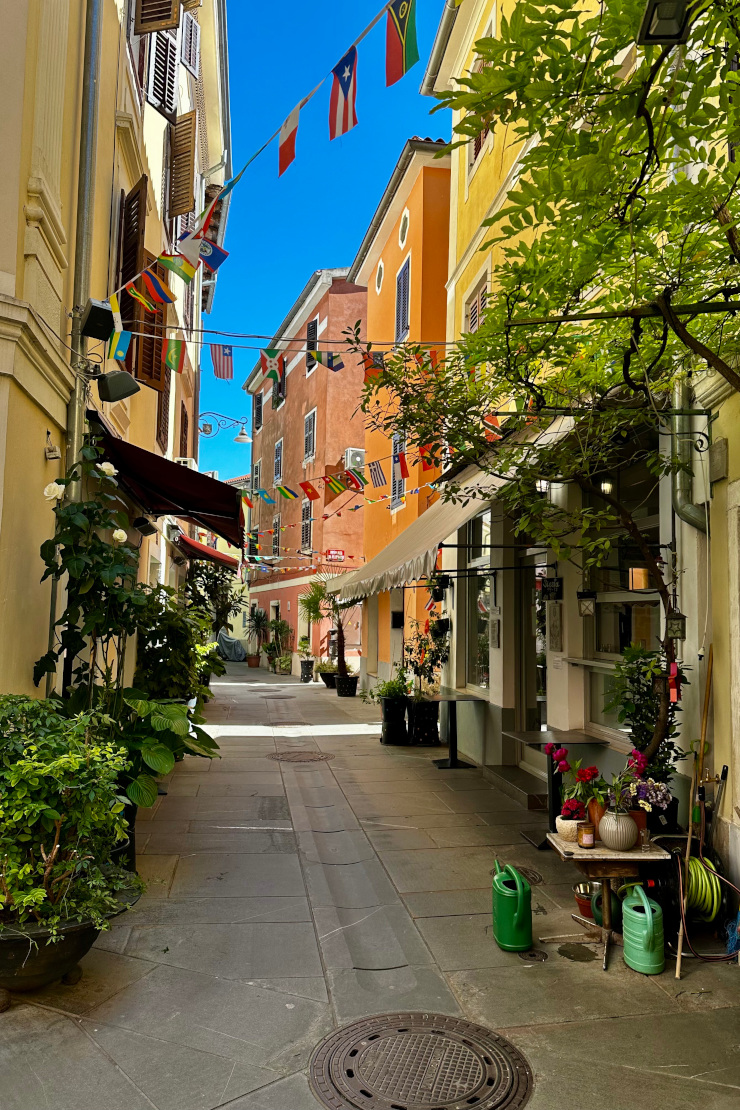
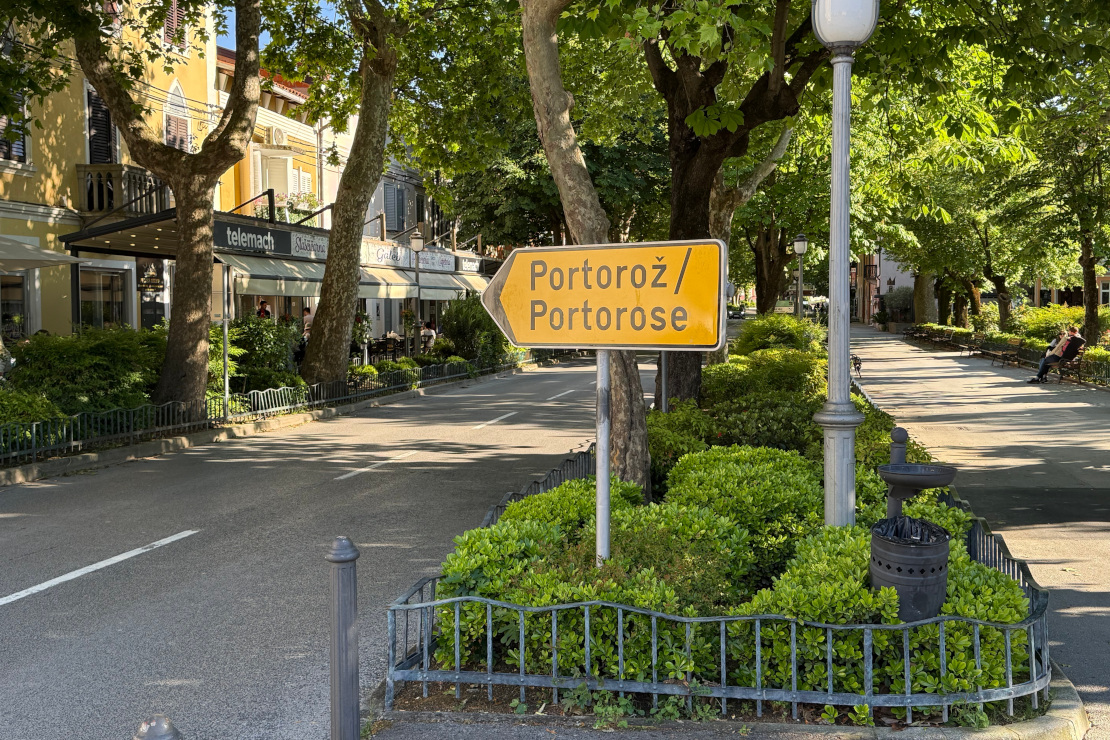
Between 1805 and 1813, Izola was part of the Napoleonic Empire. It then became part of the Austro-Hungarian Monarchy until the end of World War I in 1918. During this period, tourism began to develop after a thermal spring was discovered near the town. Under the Treaty of Saint-Germain, Izola was assigned to Italy following World War I.
In the early 20th century, Izola had an overwhelming Italian majority, while only a small proportion of the population was Slovene.
Izola remained part of Italy until the end of World War II. After the war, the town became part of Zone B of the Free Territory of Trieste and was assigned to Yugoslavia in 1954. As a result, most of the Italian population emigrated to Italy, while Slovenes from nearby villages moved to the town.
Today, the municipality has around 16,000 inhabitants, of whom approximately 69% are Slovenes. The largest minority groups are Croats, Serbs, Bosniaks, and Italians. Izola is officially bilingual, with both Slovene and Italian recognised as official languages.
Izola’s history is very similar to that of Piran. Having belonged to various countries and empires over time, the town has developed a rich mix of cultures, architecture, people, and cuisine.
What to Do in Izola
Visiting Izola is the perfect end to a day trip along the Slovenian coast, perhaps after a day of swimming or visiting the vineyards in the area.
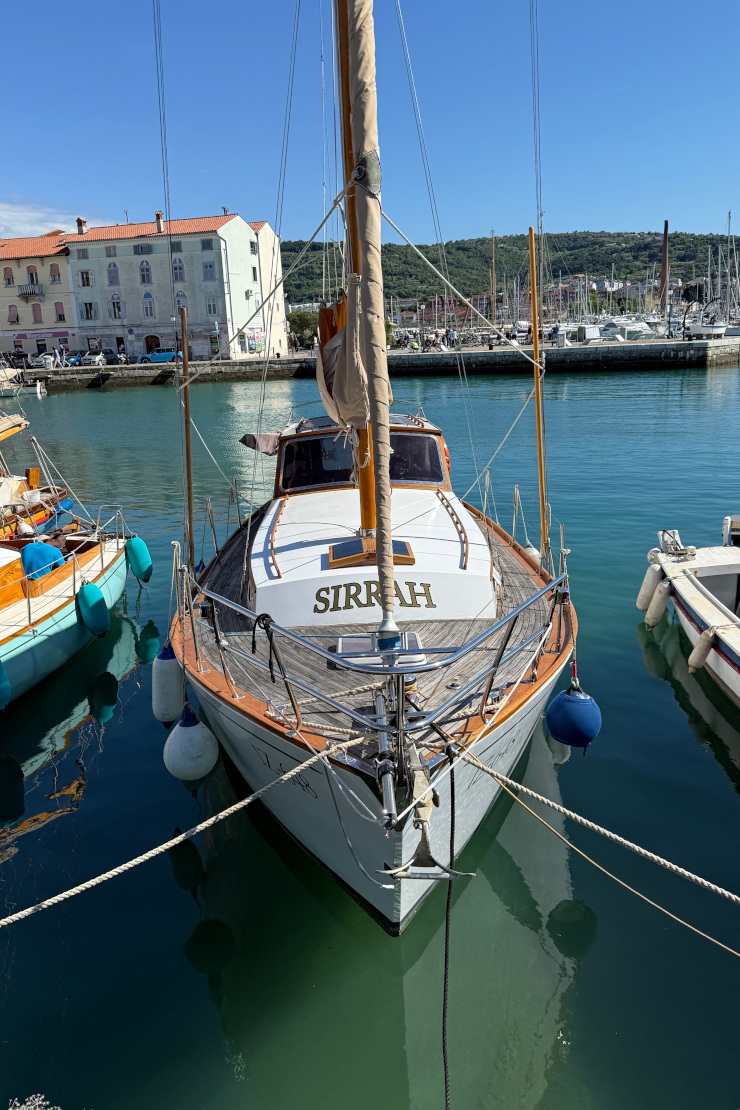
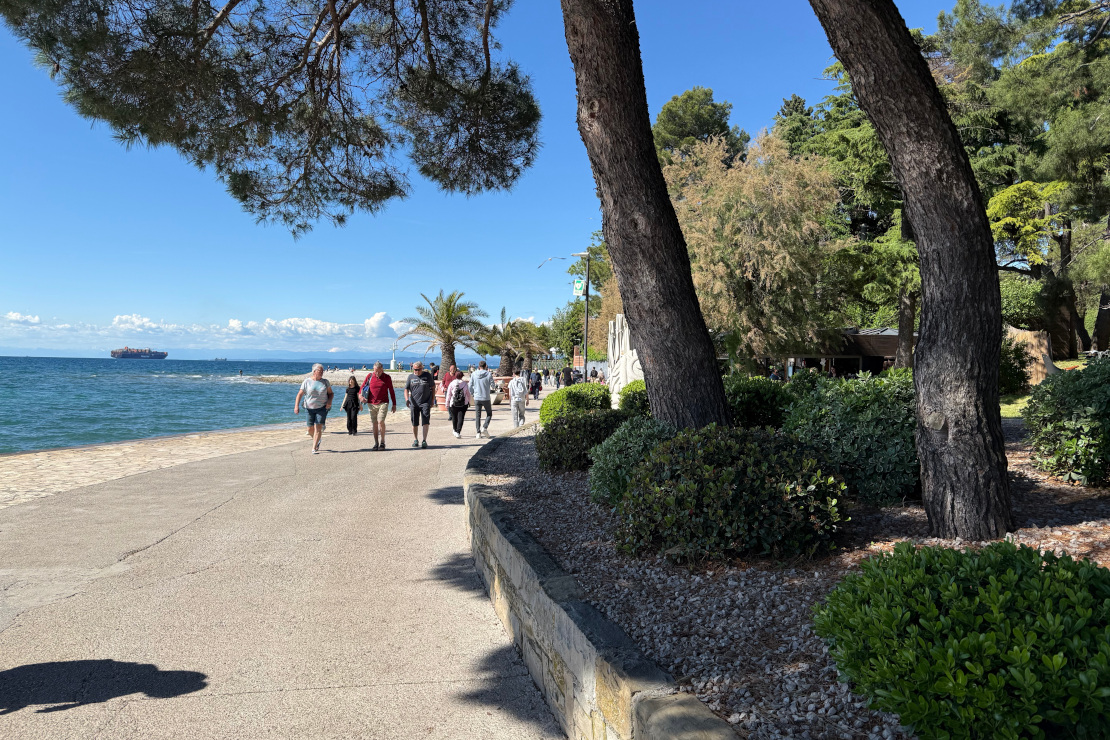
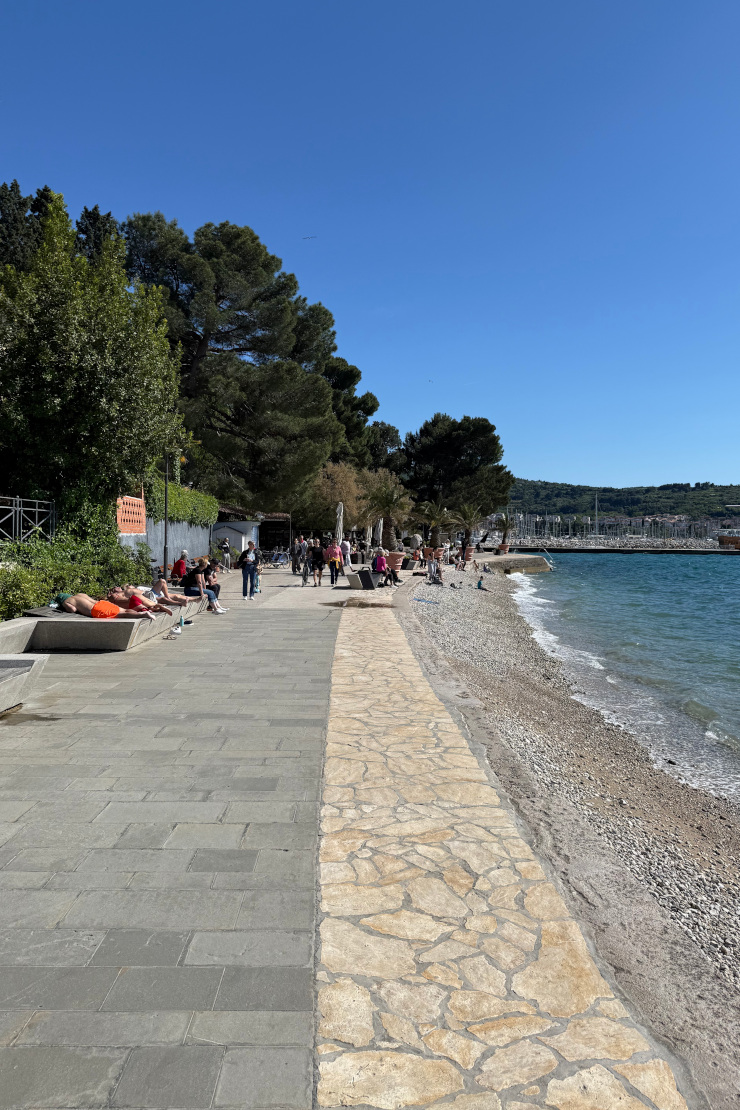
- Promenade - Along the promenade, there are many cafés and restaurants serving typical Istrian seafood such as calamari, sea bass, and brodet. From most restaurants, you can enjoy dinner while watching the sunset over the Adriatic Sea.
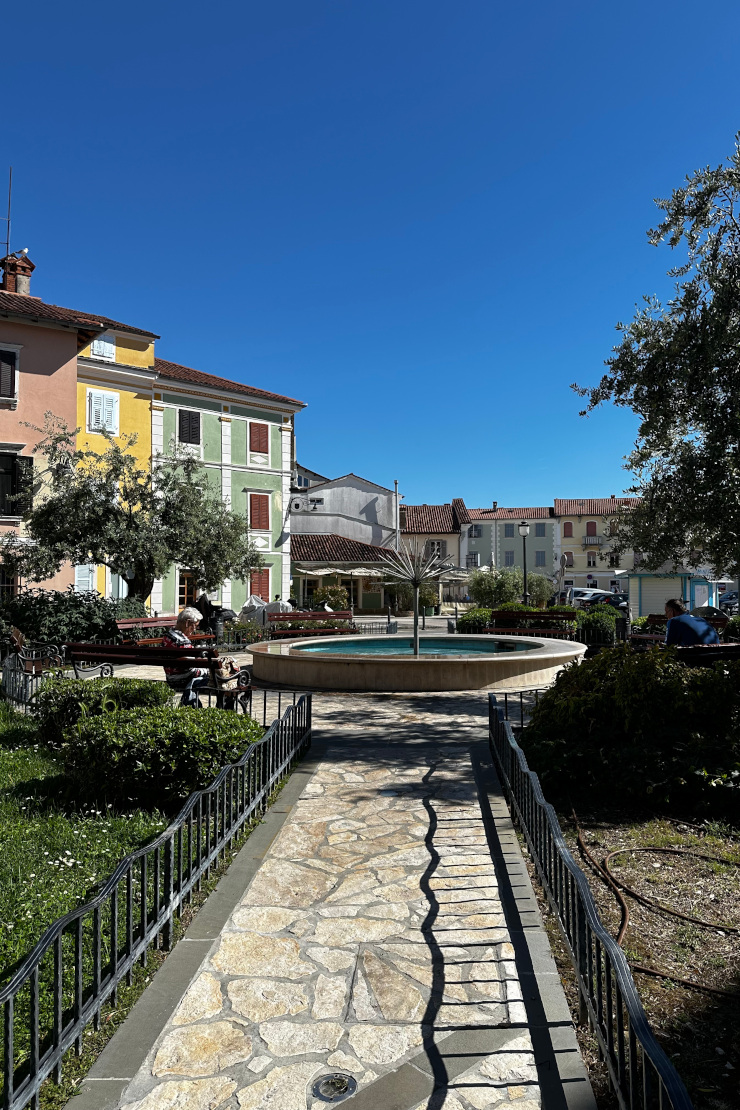
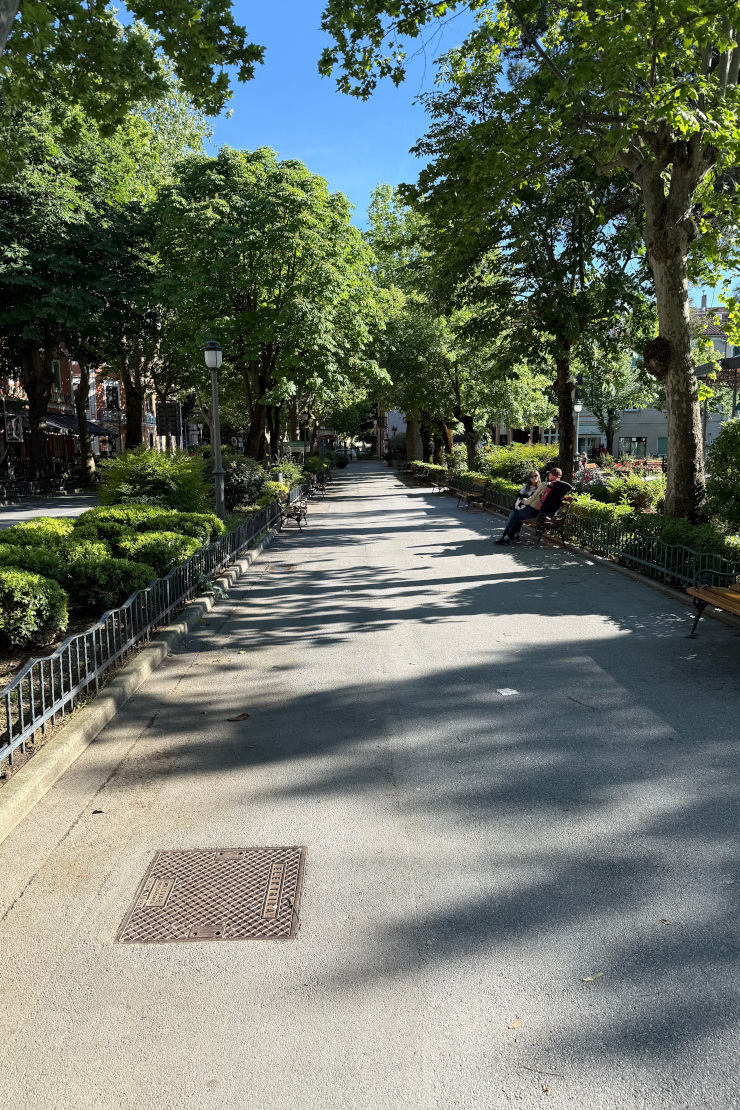
- Old town - Stroll through the old Venetian quarter and explore the narrow alleys and elegant architecture.
- Izola Beach - At the far end of the cape is Izola Beach and a large park, with a pleasant promenade along the shoreline.
- Parenzana - The Parenzana is a former railway line that once ran between Trieste and Poreč in present-day Croatia. It has since been converted into a scenic cycling route.
Where to Stay
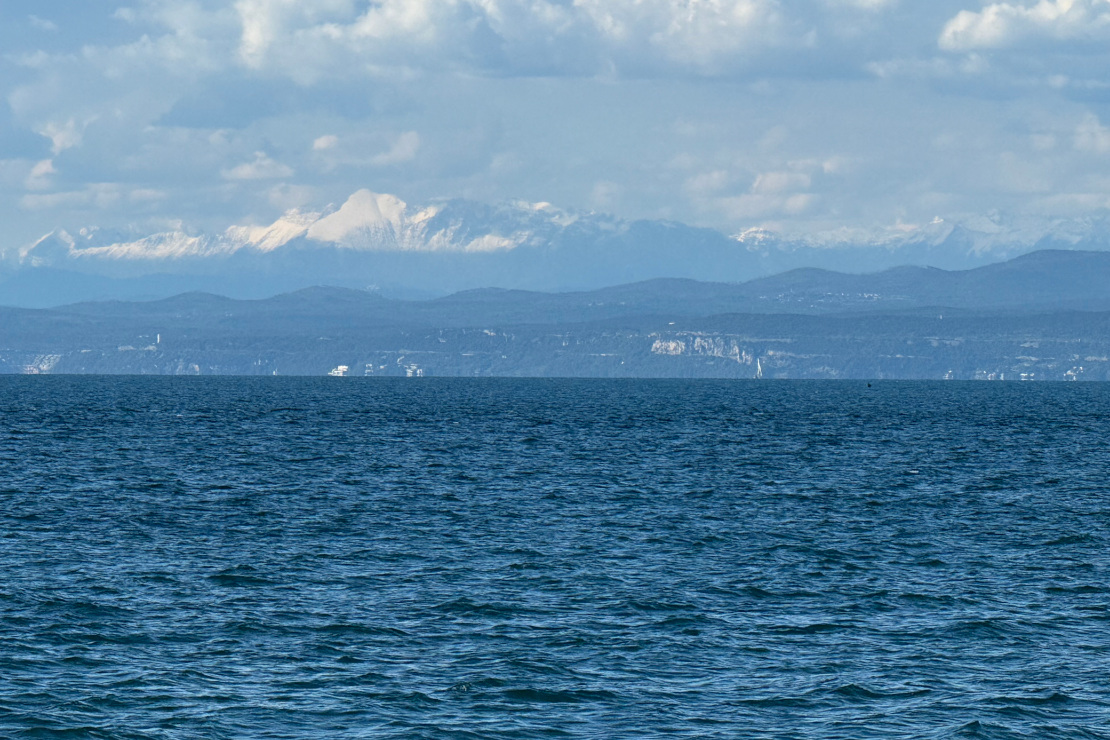
- Hotel Belvedere - Hotel Belvedere is located above Izola, offering fantastic views of the entire Bay of Trieste.
- Hotel Marina - Hotel Marina is one of the best, if not the best, hotels in Izola, and it also houses an excellent restaurant.
- Villas and apartments - Izola is one of Slovenia’s most popular tourist destinations, offering a wide range of private rooms and apartments for rent.
Where to Eat and Drink
Izola offers a variety of high-quality restaurants, from waterfront spots along the promenade to hidden gems in quieter locations.
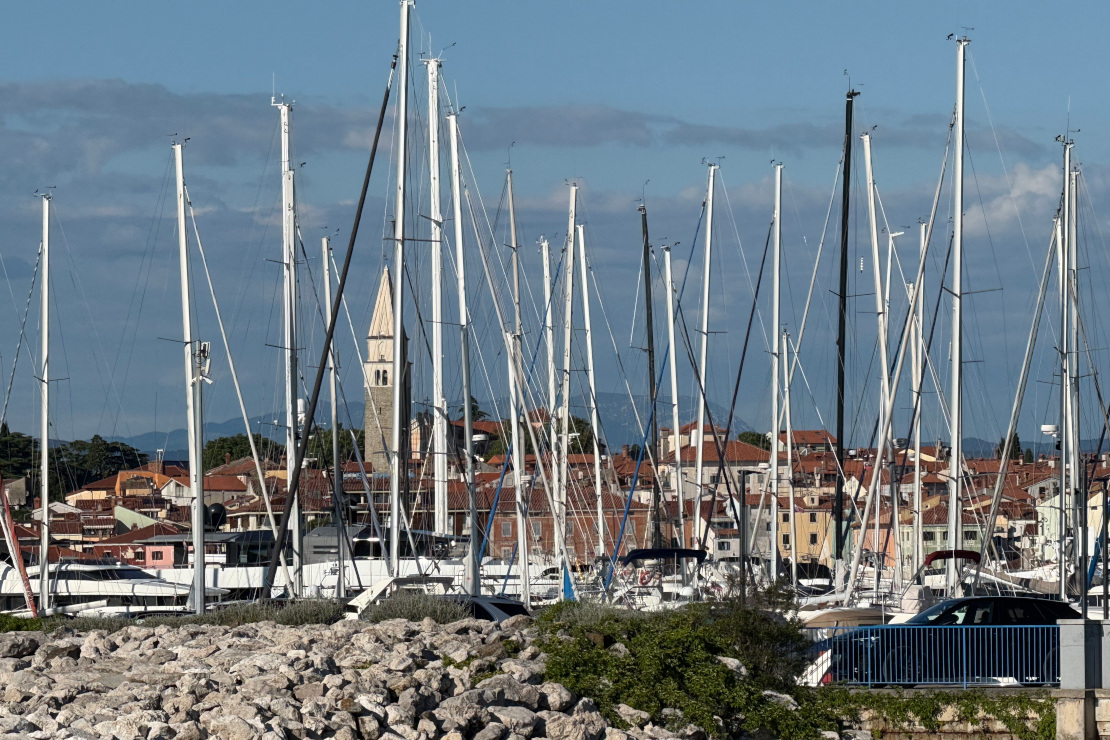
- Restaurant Sidro - A restaurant located on the harbour promenade in Izola, serving traditional Istrian seafood dishes. When in Izola, we often enjoy dinner on the outdoor terrace while watching the sun set over the sea.
- Restaurant Marina - In Hotel Marina’s restaurant, you can enjoy high-quality traditional Istrian seafood while taking in spectacular views of the harbour. The menu depends on the day’s fresh catch and seasonal availability. The restaurant is listed in the Michelin Guide. You can book a table by emailing [recepcija@hotelmarina.si](mailto: recepcija@hotelmarina.si) or call +386 5 660 41 00.
- Restaurant Kamin - Enjoy high-quality Istrian seafood on the restaurant’s large terrace, with fantastic views of the Gulf of Trieste. You can read about our visit to Restaurant Kamin earlier this year in our dedicated blog post. Tables can be reserved via the website, by email at restaurant@belvedere.si or by phone at +386 5 66 05 666.
- Hiša Torkla - A high quality restaurant listed in the Michelin Guide, with a focus on grilled meat dishes. The restaurant is located in the hills above Izola. You can make a reservation on their website, by emailing info@hisa-torkla.si or by calling +386(0)5 620 96 57.


